
About this item
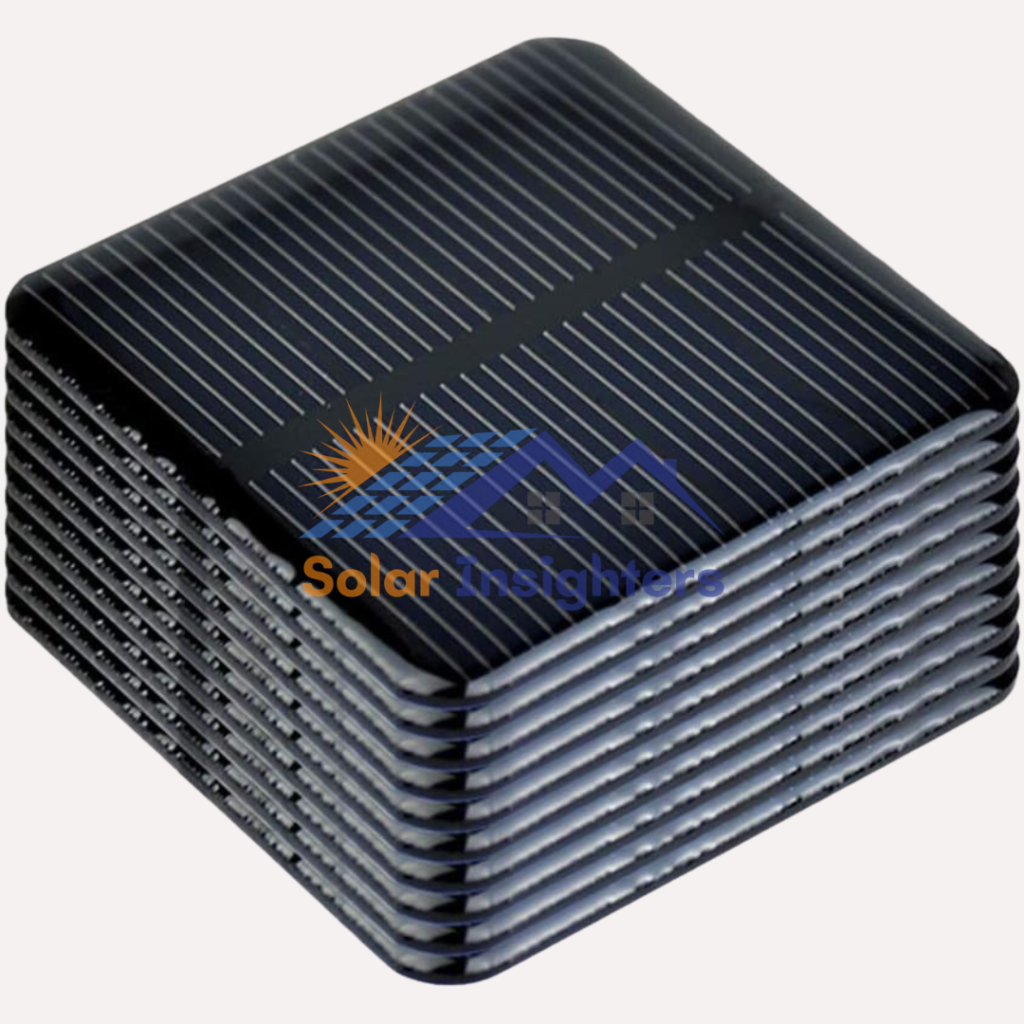
SUNYIMA 10 pcs Mini Solar Cells Solar System Kit
The SUNYIMA 10 pcs Mini Solar Cells Solar System Kit is a beginner‑friendly and educational solar power kit ideal for DIY enthusiasts, students, hobbyists, and schools. It includes 10 mini solar cells that you can wire together to build small solar projects — such as charging small batteries, powering tiny motors, lighting LEDs, or creating simple solar‑powered gadgets.
This kit is a great way to learn how solar cells work, how to connect them in series or parallel, and how to build basic solar circuits — all while using renewable energy concepts.
Key Features
☀️ 10 Individual Solar Cells
You get 10 mini solar cells that can be connected together for higher voltage or current depending on your project needs.
🔋 Modular & DIY Friendly
Each cell can be combined in:
- Series → increase voltage
- Parallel → increase current
This gives flexibility for powering small devices and experimenting with solar power.
🧠 Educational & Experimental Kit
Great for understanding:
- Solar energy basics
- Photovoltaic effects
- Series vs parallel circuits
- Energy harvesting projects
Perfect for students, workshops, and science fairs.
🔌 Easy Wiring
Cells typically have solderable tabs or wires, making them easy to connect with simple tools.
🔍 Compact Size
Mini cells are small and lightweight — ideal for building models, prototypes, and learning circuits without large panels.
Typical Specifications (may vary by model)
| Feature | Typical Value |
|---|---|
| Cell Type | Monocrystalline / Polycrystalline |
| Individual Cell Output | ~0.4 – 0.6 V per cell |
| Max Current | Small mA output (varies by sunlight) |
| Size | Mini cells (often ~50–100 mm scale) |
Note: Actual performance depends heavily on sunlight intensity and wiring configuration.
How It Works
- Each mini solar cell converts sunlight into DC electricity.
- When sunlight hits the cell surface, electrons are energized and current flows.
- Connect cells in series to increase voltage (e.g., 6 cells ≈ ~3 V).
- Connect cells in parallel to increase current output.
- Power small loads like LED lights or small motors.
Because they are small, these cells are ideal for learning and experimentation rather than full‑scale power systems.
Pros and Cons
| Pros (Advantages) | Cons (Disadvantages) |
|---|---|
| Great for education and DIY | Low power — not for large loads |
| Easy to connect/experiment | Requires good sunlight |
| Teaches solar wiring basics | Small currents |
| Compact and portable | Needs assembly and wiring |
| Inexpensive educational kit | Not enough to charge regular batteries directly |
| Fun for science projects | Needs soldering skills |
What You Can Build With It
Here are some common uses:
🔌 Solar LED lights
🔋 Small battery charging (with voltage booster)
⚙️ Solar‑powered motor projects
🛠️ School experiments
📊 Circuit learning boards
🔧 Prototype solar gadgets
This kit lets you design and test solar circuits before moving to larger systems.
Tips for Best Use
✔ Work in bright sunlight for maximum output.
✔ Use clear wiring and soldering for reliable connections.
✔ Add a blocking diode if charging small batteries.
✔ Combine cells optimally — series for voltage, parallel for current.
✔ Use a multimeter to measure voltage and current during experiments.
Why Beginners Love It
Compared to larger panels, mini solar cell kits like this are:
🌞 Affordable and safe
📐 Great for learning basics of solar power
🛠 Good for hands‑on educational projects
🎓 Ideal for classrooms and kids science kits
They make renewable energy concepts easy to explore and visualize.