
About this item
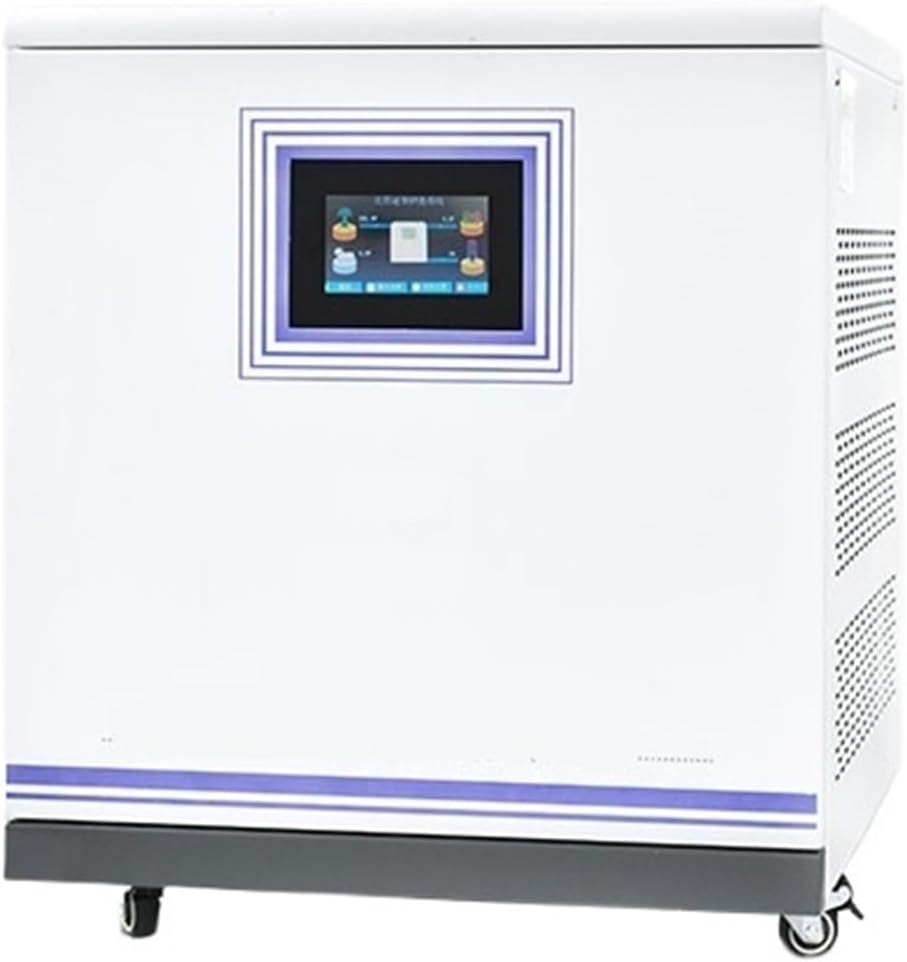
Solar high Power 18KW Hybrid Three-Phase Inverter
The Solar High Power 18 kW Hybrid Three‑Phase Inverter is a robust and versatile power conversion unit designed for larger solar energy systems where significant power capacity and three‑phase output are required. As a hybrid inverter, it integrates solar MPPT charging, grid connection support, and battery backup functionality into one solution — making it suitable for commercial installations, large homes, industrial sites, and three‑phase solar arrays.
Hybrid three‑phase inverters provide clean AC output, maximize solar utilization, and maintain power continuity during outages when paired with battery storage.
Key Specifications (Typical)
| Feature | Details |
|---|---|
| Rated Power | 18 kW (18,000 W) |
| Output Type | Three‑phase AC |
| DC Input | Solar PV array input |
| MPPT | Multiple independent MPPT trackers |
| Max DC Voltage | Approx. 1000–1100 V |
| Rated AC Voltage | Three‑phase (e.g., 380 V) |
| Battery Support | Yes — hybrid configuration |
| Compatibility | Solar panels, battery banks, grid |
| Efficiency | High (95–98% range) |
| Cooling | Built‑in fans / heat sinks |
| Protection | Overload/over‑voltage/short circuit |
Specifications vary by model and manufacturer.
How It Works
A hybrid three‑phase inverter performs solar DC to AC conversion while coordinating power from multiple sources — solar panels, battery storage, and the utility grid. It features multiple MPPT (Maximum Power Point Tracking) channels that optimize energy extraction from different solar panel strings, even if they are oriented differently or experience shading.
In hybrid mode, the inverter can:
Prioritize solar power to loads
Store excess solar energy in a battery bank
Draw from the battery or grid as needed
Feed excess energy into the grid (if net‑metering enabled)
This flexibility makes hybrid inverters ideal for systems that require high reliability, peak shaving, and efficient energy use.
Design & Build Quality
18 kW hybrid three‑phase inverters are typically built with industrial‑grade components and a rugged enclosure that supports indoor and sheltered outdoor mounting. The design includes ample ventilation and heat management to support continuous high‑power operation.
Front panel displays or integrated LCD/LED screens provide real‑time status on solar production, inverter output, battery state, and fault warnings. Communication ports (such as RS485, CAN, or optional Wi‑Fi/LAN) enable remote monitoring and integration with energy management systems.
Performance & Efficiency
For systems of this size, performance and efficiency are critical. High‑quality hybrid inverters offer:
High conversion efficiency (typically 95%+) to minimize energy loss
Precise MPPT tracking for maximum solar harvest
Stable three‑phase output for industrial and balanced load requirements
Battery charge/discharge control for hybrid operation
Efficient operation reduces electricity costs and improves return on investment for large solar installations.
Installation & Compatibility
Installation of an 18 kW hybrid inverter should be performed by a qualified solar technician or electrician due to the higher power level, three‑phase wiring, and local grid compliance requirements. Typical steps include:
Mount the inverter in a ventilated, dry, and secure location
Connect solar panel arrays to MPPT inputs
Connect battery bank to DC battery terminals
Wire three‑phase AC output to the main distribution panel
Configure settings for grid, solar, and battery priorities
Test and commission under professional supervision
Compatibility with multiple battery chemistries (lead‑acid, AGM, gel, lithium) is often supported through configurable settings and battery management communication.
Monitoring & Smart Features
Modern hybrid inverters support advanced monitoring features:
Cloud or local network monitoring via Wi‑Fi/Ethernet
Real‑time solar generation and consumption tracking
Historical production and energy statistics
Remote fault alerts and diagnostics
These features help users optimize energy use, forecast production, and manage system health over the long term.
Safety & Protection Features
Solar high power hybrid inverters include safety protections to safeguard equipment and users:
Overload protection — protects against excessive load
Over‑voltage/under‑voltage protection — safeguards input/output circuits
Short circuit protection — prevents wiring faults
Over‑temperature shutdown — prevents thermal damage
Anti‑islanding protection — required for grid compliance
Strong safety integration is essential for large systems and three‑phase connections.
Pros & Cons
| Pros | Cons |
|---|---|
| Very high power output (18 kW) for large systems | Requires professional installation |
| Hybrid mode with battery support | Higher upfront cost |
| Multiple MPPT trackers for better solar harvest | Complex configuration for beginners |
| Three‑phase output ideal for industrial & large homes | Needs proper three‑phase infrastructure |
| Smart monitoring & remote access support | Requires compatible panels & batteries |
| High efficiency reduces energy loss | Integration with grid standards may need approval |