
About this item
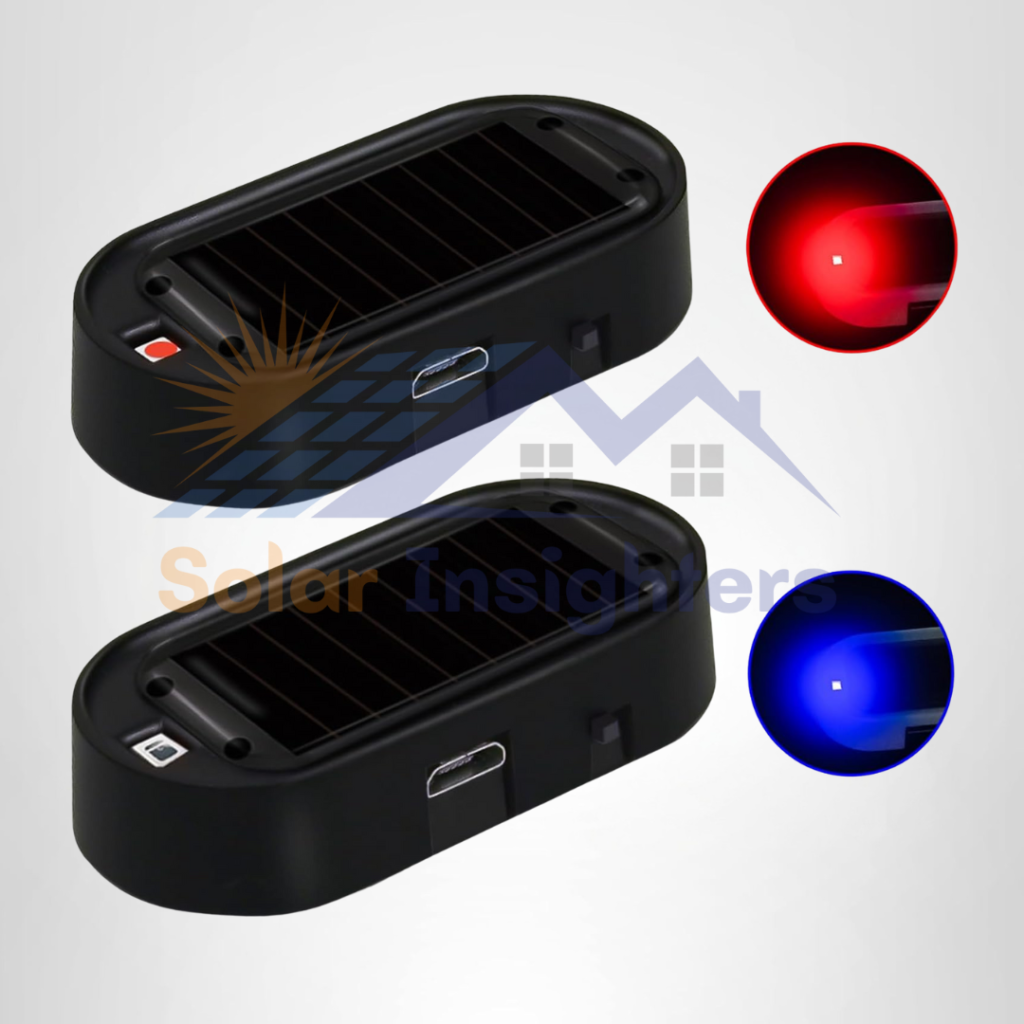
Shudyear Car Solar Power Simulated Dummy Alarm
The Shudyear Car Solar Power Simulated Dummy Alarm is a visual deterrent security device designed to reduce the risk of vehicle tampering, theft, or break-ins by mimicking the look of a real car alarm unit. Powered by solar energy, this dummy alarm requires no wiring or battery changes, making it a low-maintenance solution for added peace of mind.
This review explores its design, performance, installation, real-world effectiveness, pros and cons, and overall value in 2026.
What Is a Simulated Dummy Alarm?
A simulated dummy alarm is a non-functional device that looks like a real alarm module. Its purpose is to deter potential thieves or vandals by suggesting the vehicle is equipped with an active security system. Unlike real alarms, it does not sound alerts or engage in electronic monitoring — instead, it relies on realistic design elements to discourage tampering.
The Shudyear model adds solar power to maintain key visual cues without the need for battery replacements.
Key Features
| Feature | Details |
|---|---|
| Product | Shudyear Car Solar Power Simulated Dummy Alarm |
| Power Source | Built-in solar panel (self-charging) |
| Function | Visual deterrent only — no real alarm circuitry |
| Design | Realistic alarm unit appearance |
| Mounting | Easy adhesive or screw mount |
| Use Cases | Car security deterrence, parking lots, residential parking |
| Maintenance | Solar-powered — no battery changes |
Design & Build Quality
The Shudyear dummy alarm is crafted to resemble real alarm modules found in many factory-installed car security systems. Its housing typically imitates the look of a genuine alarm sensor or module, including indicator lights, grooves, and labels that add to the illusion of a real device.
Solar panels integrated on top of the unit capture ambient sunlight during the day to keep indicator lights (simulated LEDs) illuminated at night — enhancing the authenticity of the visual deterrent without manual power upkeep.
The housing is usually weather-resistant, allowing installation on exterior areas of the car such as dashboards, rear windshields, or side panels without quickly deteriorating under sun or rain.
Solar Power Performance
The standout advantage of this simulated alarm is its solar self-sufficiency:
Daytime solar charging: Solar panel charges internal capacitor or small backup power cell.
Night illumination: Simulated LED lights activate after dusk to create the look of a working security system.
Zero battery upkeep: No need to replace batteries or run wiring.
Solar performance is dependent on sunlight exposure — better sun yields brighter and longer illumination at night. Even under cloudy conditions, the unit tends to collect enough energy for basic night operation.
Installation & Ease of Use
Installation is simple and doesn’t require tools or technical expertise:
Choose a visible mounting location such as the windshield, dashboard, or rear window.
Clean the surface to ensure good adhesion.
Mount using the provided adhesive pad or screws (where applicable).
The unit begins charging from sunlight and functions automatically once installed.
No wiring or interaction with the vehicle’s electrical system is required, reducing risk of damage or battery drain.
Visual Deterrent Effectiveness
The primary purpose of the Shudyear dummy alarm is visual deterrence. Thieves and vandals often avoid vehicles that appear to have active alarms or security systems. By simulating the look of a real alarm with visible LED indicators and a realistic design, this device aims to:
Discourage opportunistic thefts
Reduce break-ins in parking areas
Provide added peace of mind for owners
While it doesn’t replace a real alarm or GPS tracking system, it can serve as an inexpensive complementary visual deterrent — especially in areas with high foot traffic or visibility.
Pros & Cons
| Pros | Cons |
|---|---|
| Solar powered — no wiring or battery changes | Does not provide real alarm alerts |
| Easy DIY installation | Effectiveness depends on thief perception |
| Realistic visual deterrent design | Solar charge depends on sunlight exposure |
| Weather-resistant build | No sound or digital monitoring |
| Low maintenance | Not a substitute for full security system |
| Affordable supplementary car security | LEDs may have limited brightness |
Ideal Use Cases
Residential Parking:
Add a visual deterrent if your car is parked outside home or driveway.
Street Parking:
Increase perceived security when parking in public or urban areas.
Temporary Vehicle Storage:
Use on vehicles parked for extended periods in lots or driveways.
Complementary Security:
Pair with real alarm systems for layered visual and active protection.