
About this item
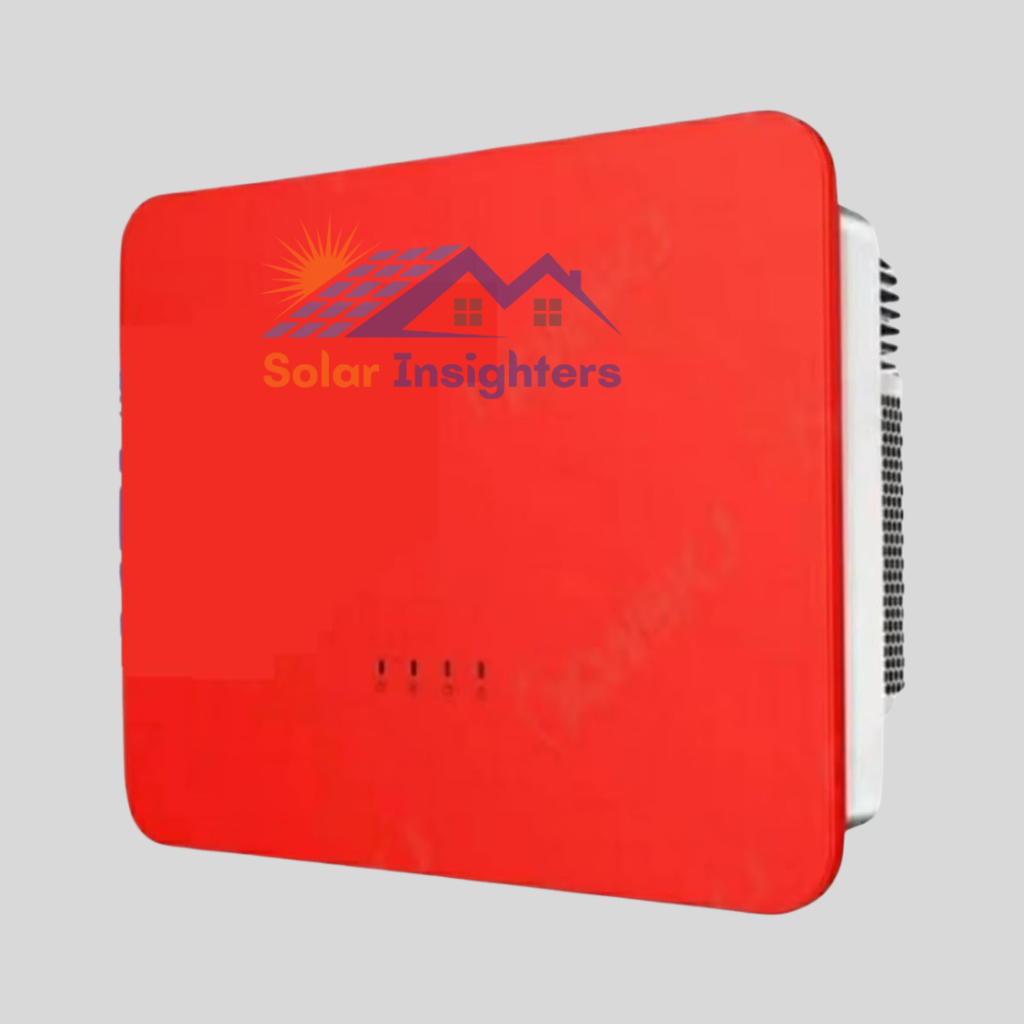
8kW Grid-Connected high Efficiency inverters
An 8kW Grid-Connected High Efficiency Inverter is a crucial part of a mid-sized solar photovoltaic (PV) system that converts DC power from solar panels into AC power synchronized with the utility grid. These inverters are designed for households, small businesses, and commercial systems where energy generation is moderate but consistent. With high efficiency and intelligent performance, they help maximize solar energy utilization and reduce electricity bills.
This review explains key features, performance metrics, installation insights, pros and cons, and real-world use cases to help you decide if an 8kW grid-tied inverter suits your energy needs.
Key Specifications
| Feature | Details |
|---|---|
| Product | 8kW Grid-Connected High Efficiency Inverter |
| Rated Power | 8,000 watts (8kW) |
| Input Type | DC from solar PV modules |
| Output Type | AC power synchronized with the grid |
| Efficiency | High peak conversion efficiency |
| MPPT | Yes — high precision MPPT tracking |
| Monitoring | LCD/LED interface with data logging |
| Protection | Overload, overvoltage, anti-islanding |
| Heat Management | Fan or passive cooling |
| Mounting | Wall or rack installation |
| Use Case | Residential and small commercial solar systems |
Actual specifications may vary by brand and model.
What This Inverter Does
An 8kW grid-connected inverter takes the DC (direct current) power produced by solar panels and converts it into AC (alternating current) that matches the voltage and frequency of the utility grid. This allows:
Home appliances to run on solar power
Power exported to the grid in net-metering systems
Seamless switching between solar and grid power
It supports efficient solar energy use while ensuring compliance with local grid requirements.
High Efficiency & MPPT Tracking
Two key aspects define the performance of a good grid inverter:
High Efficiency
High conversion efficiency means less energy wasted during DC-to-AC conversion. Many quality 8kW inverters achieve peak efficiencies above 97%, ensuring that most of the solar energy generated ends up usable in your home or business.
MPPT (Maximum Power Point Tracking)
MPPT technology constantly adjusts the electrical operating point of the solar array to extract maximum power, even in varying sunlight conditions. This helps:
Capture more solar energy throughout the day
Improve performance in partial shade or early/late sunlight
Increase overall energy yield
Multiple MPPT channels are common, allowing flexible solar array configurations.
Build Quality & Design
8kW grid inverters are typically designed with durable enclosures suitable for outdoor or sheltered outdoor installation. Strong heat dissipation systems — using heatsinks, vents, or cooling fans — help maintain performance under load and in warm environments.
User interfaces usually include:
LCD/LED display showing power output, grid status, and faults
Button controls for configuration
Communications ports for external monitoring
Such designs make these inverters robust for daily operation and easy to monitor.
Grid Compatibility & Safety Features
Grid-connected inverters must comply with safety standards and local grid codes. Important features include:
Anti-islanding protection: Automatically disconnects during grid outage
Over/under voltage protection: Prevents damage from unstable supply
Overcurrent protection and short circuit safeguards
Ground fault detection
These protections ensure safe, reliable operation and protect both the system and utility infrastructure.
Installation & Setup
Installing an 8kW grid inverter should always be done by a certified solar technician or electrician. Typical steps include:
Mounting the inverter in a suitable ventilated location
Connecting the DC input from solar panel arrays
Connecting AC output to the main distribution panel
Configuring grid parameters (frequency, voltage limits)
Testing and commissioning for safe operation
Proper setup ensures optimal performance, safety, and grid compliance.
Monitoring & Smart Features
Modern 8kW inverters often offer real-time monitoring through:
Built-in LCD/LED display
External communication modules
Bluetooth or Wi-Fi monitoring apps
Data logging for daily, weekly, monthly generation
Monitoring helps you track performance, detect issues early, and understand your solar production patterns.
Pros & Cons
| Pros | Cons |
|---|---|
| High efficiency maximizes solar energy use | Professional installation required |
| MPPT tracking improves daily yield | Higher upfront cost than smaller inverters |
| Grid synchronization enables export and savings | Requires proper matching of solar array size |
| Smart monitoring simplifies performance tracking | Ventilation needs must be planned |
| Safety features protect system and grid | Not suitable for off-grid without additional equipment |
| Works for homes and small businesses | Firmware/configuration can be complex |
Ideal Use Cases
Residential Solar Systems
Great for homes with moderate power requirements and rooftop arrays sized around 6–10kW.
Small Commercial Setups
Offices, clinics, or shops aiming to cut electricity costs with daytime solar generation.
Net-Metering Scenarios
Installations that feed excess solar energy back to the grid, reducing energy bills.
Hybrid Solar Projects
Combined with battery storage (with additional hybrid systems) for backup and peak shaving.