
About this item
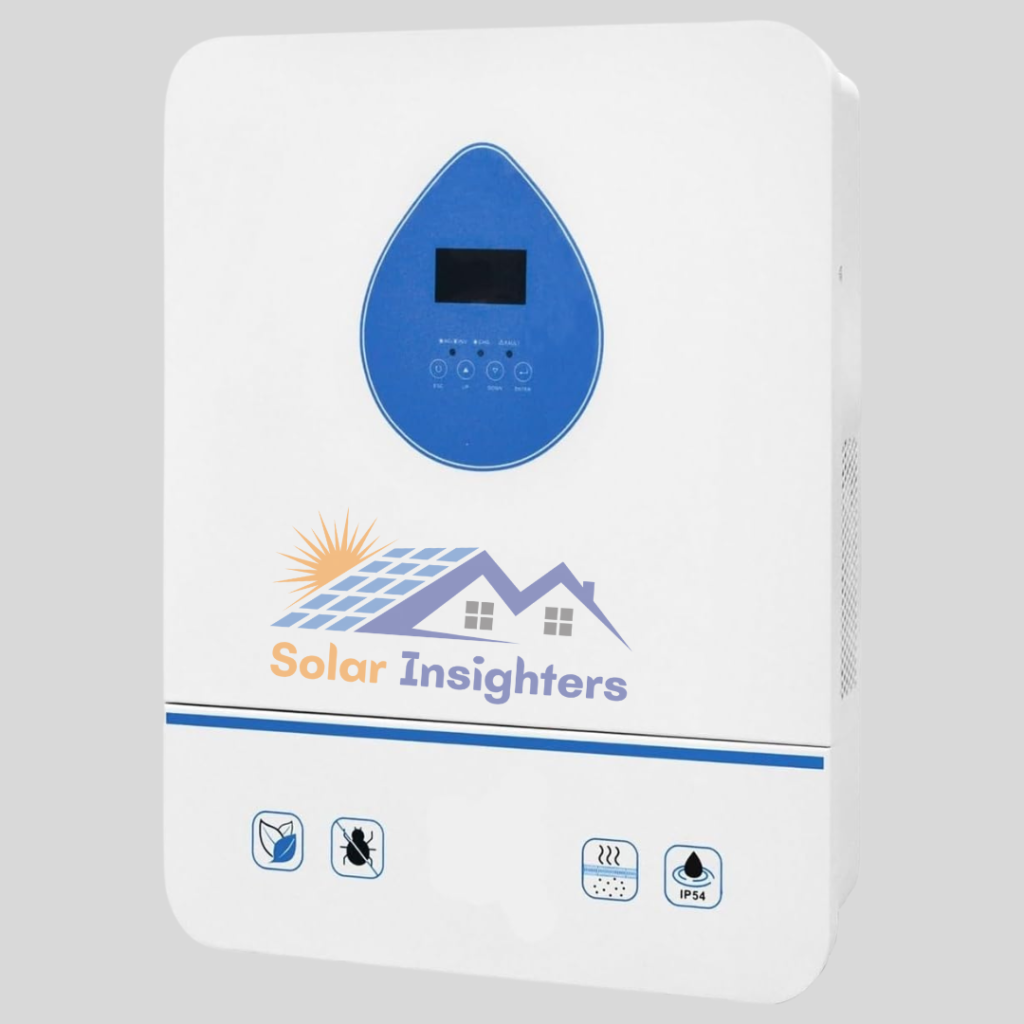
High-Frequency Pure sine Wave Inverter
A High-Frequency Pure Sine Wave Inverter is a versatile device that converts DC (direct current) power into AC (alternating current) power with a pure sine wave output using high-frequency electronic circuitry. This type of inverter delivers clean, stable electricity that closely mimics grid power, making it ideal for sensitive electronics, home appliances, and professional equipment. Its compact design and efficient performance make it suitable for solar systems, battery backup, RVs, cabins, and remote power setups.
This review explains every key feature, performance aspect, practical use cases, pros and cons, and whether it’s the right choice for your power needs.
What Is a High-Frequency Pure Sine Wave Inverter?
A high-frequency inverter uses switching technology at a high clock frequency to convert DC into AC. Coupled with wave-shaping filters and control circuitry, it produces a pure sine wave output, which means the electrical waveform is smooth and stable — similar to utility-grid electricity. This makes it safe for sensitive equipment such as:
Laptops and computers
TVs and gaming consoles
Medical equipment
Audio/video systems
Refrigerators and air conditioners
Unlike modified sine wave inverters, pure sine outputs reduce noise, heat, and interference, enhancing reliability and longevity of connected devices.
Key Specifications
| Feature | Details |
|---|---|
| Product | High-Frequency Pure Sine Wave Inverter |
| Output Type | Pure sine wave AC power |
| Frequency | 50/60 Hz selectable |
| Efficiency | High conversion efficiency |
| Input Voltage | 12 V / 24 V / 48 V DC (model dependent) |
| Output Power | Ranges from small (500 W) to large (5000 W+) |
| Protection | Overload, overheat, short circuit |
| Cooling | Built-in fan or heat sink |
| Use Cases | Home backup, solar, RV, off-grid systems |
Specifications vary by model and power rating.
Design & Build Quality
High-frequency pure sine inverters are typically compact and lightweight, thanks to their high-frequency switching design which uses smaller transformers. Enclosures are often made of sturdy metal or reinforced plastic, with ventilation slots and internal cooling fans to help dissipate heat under load.
Control panels usually include LED indicators or basic displays for:
Input voltage
Output power
Battery status
Fault alerts
These help users monitor basic inverter operation at a glance.
Pure Sine Wave Output — What It Means
Pure sine wave output closely resembles the smooth waveform of grid power. Compared with modified sine wave inverters, this offers several critical advantages:
Better compatibility with modern electronics
Reduced electrical noise in audio/video equipment
Lower heat generation in motors and appliances
Improved performance in sensitive and digital devices
Longer equipment lifespan due to cleaner power
This makes pure sine inverters more reliable and versatile across a wide range of applications.
Efficiency & High-Frequency Operation
High-frequency topology allows for:
Smaller, lighter inverters
Higher efficiency (more DC power converted to usable AC)
Faster response to load changes
Lower overall energy loss
These benefits are valuable in solar installations and battery-backup systems where maximum efficiency extends battery life and reduces energy waste.
Protection Features & Safety
To safeguard the inverter and connected devices, most high-frequency pure sine inverters include:
Overload protection — prevents damage from excessive load
Short-circuit shutdown
Overheat protection — thermal sensors trigger cooling or shutdown
Low battery cutoff — protects battery from deep discharge
Overvoltage shutdown — prevents input spikes from harming electronics
These safety systems make the device dependable in varied environments.
Connectivity & Installation
Installation is typically straightforward:
Match input voltage (12 V/24 V/48 V) with your battery bank
Connect DC input cables with proper polarity and gauge
Secure AC output to distribution panel or load points
Turn on power and monitor indicators
Always ensure proper ventilation, secure connections, and correct grounding to maintain safe operation.
Pros & Cons
| Pros | Cons |
|---|---|
| Clean and stable pure sine wave output | Slightly higher cost than modified sine wave inverters |
| Compatible with sensitive electronics | Requires correct wiring and ventilation |
| High efficiency and smaller size | Cooling fans may produce noise under heavy load |
| Suitable for solar and battery backup | Not ideal as standalone generator replacement |
| Protection features safeguard equipment | Complex installations need professional setup |
| Works with a wide range of loads | Performance depends on battery quality |
Ideal Use Cases
Home Backup Power:
Provide safe AC power to essential appliances during outages.
Solar Photovoltaic Systems:
Convert DC solar + battery power to AC loads efficiently.
RV & Marine Setups:
Power appliances and entertainment systems on the go.
Remote Cabins & Off-Grid Locations:
Reliable power where grid access doesn’t exist.
Sensitive Electronics:
Computers, audio amplifiers, medical devices, and labs.