
About this item
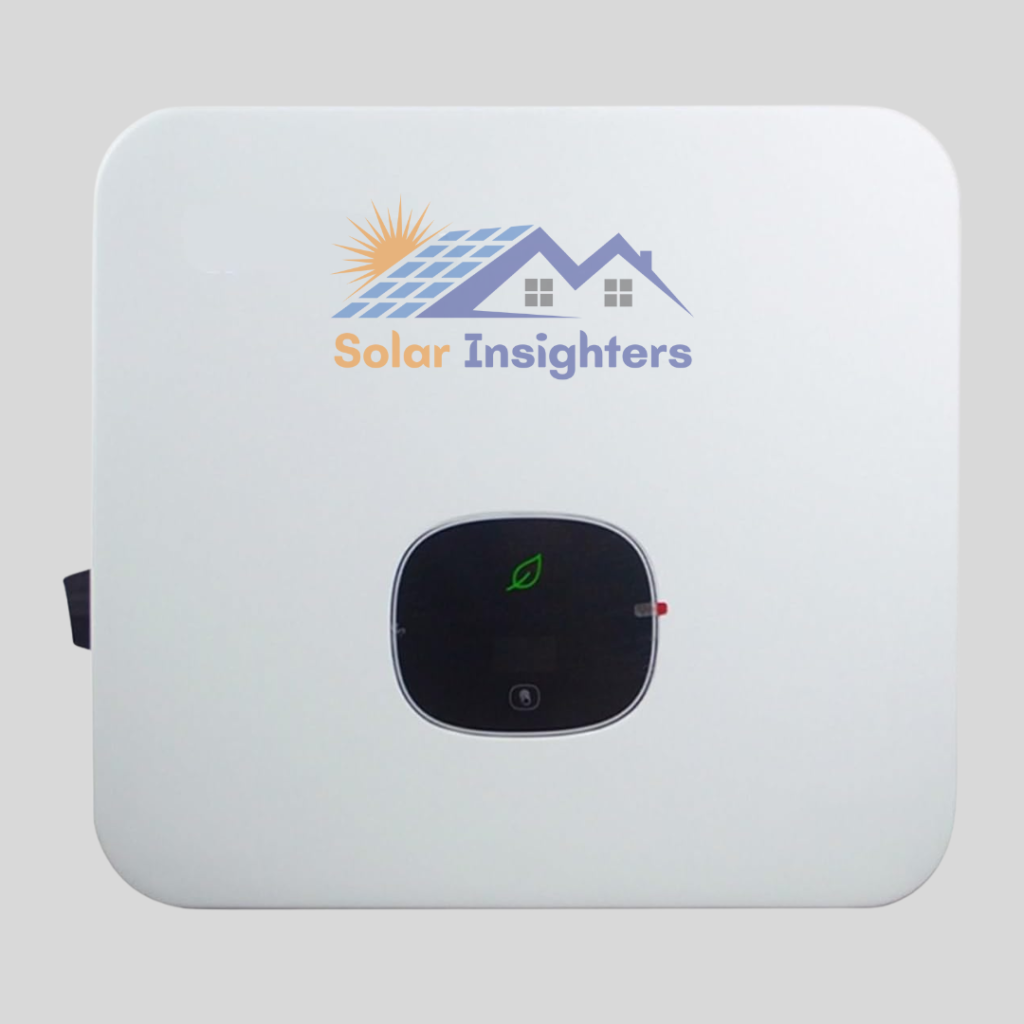
Grid-Connected 10kW Solar photovoltaic Inverter
A Grid-Connected 10kW Solar Photovoltaic Inverter is a central component of medium-sized solar installations for homes, businesses, and small commercial systems. Its primary role is to convert DC power from solar panels into AC power compatible with the utility grid, enabling you to use solar electricity efficiently, reduce energy bills, and potentially earn feed-in benefits where net metering is available.
This review explores key features, performance, connectivity, installation considerations, pros and cons, and real-world use cases to help you decide whether this inverter matches your solar energy goals.
Key Specifications
| Feature | Details |
|---|---|
| Product | Grid-Connected 10kW Solar Photovoltaic Inverter |
| Rated Power | 10,000 watts (10kW) |
| Input Type | DC from solar PV array |
| Output Type | AC synchronized with grid |
| Efficiency | High peak conversion efficiency |
| Monitoring | Display or app monitoring |
| Protections | Overvoltage, short-circuit, anti-islanding |
| Cooling | Heat-sink and/or fan-assisted |
| Mounting | Wall or rack mount |
| Use Case | Residential & commercial grid-tie systems |
Specifications can vary slightly by brand and model.
What Does a Grid-Connected Inverter Do?
A grid-connected (grid-tie) inverter synchronizes solar power output with the electrical grid frequency and voltage so that solar energy can be fed into the home load first, and excess power exported to the grid when production exceeds consumption.
Key functions include:
DC to AC conversion at grid frequency
Maximum Power Point Tracking (MPPT) for optimal panel output
Grid synchronization for safe export and import of power
Protection mechanisms for safety and reliability
Design & Build Quality
Most 10kW grid-connected inverters are built in robust metal enclosures meant for outdoor or sheltered outdoor installation. They include effective heat dissipation systems like heat sinks, thermal sensors, and sometimes cooling fans to maintain reliable performance in hot climates.
Integrated displays or interfaces provide status of:
Solar input voltage/current
AC output power and frequency
Efficiency and energy statistics
Fault alerts
Easy-to-read interfaces help with day-to-day monitoring and maintenance.
Efficiency & MPPT Performance
Efficiency is a crucial metric — it determines how much of your solar DC power is effectively converted into usable AC power. A quality 10kW grid inverter typically delivers:
High peak conversion efficiency (often >97%)
Multiple MPPT channels to optimize string performance
Wide input voltage range for flexible array configuration
MPPT ensures that each string of panels operates at its ideal voltage and current for maximum energy harvest throughout the day.
Installation & Grid Compatibility
Installation should be done by a qualified solar technician or electrician. Key steps include:
Mounting the inverter in a secure, ventilated location
Connecting DC input from solar arrays
Connecting AC output to the main distribution board
Configuring settings such as grid code parameters and safety limits
Proper configuration ensures compliance with local grid requirements such as:
Frequency range
Voltage limits
Anti-islanding settings
Grid-connected inverters typically integrate protections that disconnect solar export when grid instability is detected, ensuring safety for utility workers and equipment.
Monitoring & Smart Features
Modern 10kW inverters often include built-in monitoring — either via onboard display or through smartphone/web apps. Typical features:
Real-time power output data
Daily/weekly/monthly energy statistics
Fault and warning notifications
Remote access via internet or mobile
These features help users track production, maximize performance, and diagnose issues without complex tools.
Safety & Protection
Safety systems enhance reliable operation:
Anti-islanding protection — disconnects when grid goes down
Overvoltage and overcurrent protection
Ground fault protection
Thermal management safeguards
These protections ensure system longevity and user safety, especially in varying weather conditions.
Pros & Cons
| Pros | Cons |
|---|---|
| High efficiency maximizes solar yield | Requires professional installation |
| MPPT for optimal panel performance | Higher initial cost than small inverters |
| Grid synchronization allows export | Grid compliance takes configuration |
| Monitoring and smart features | Maintenance needed in dusty/wet areas |
| Protection systems ensure safety | Not suitable for off-grid standalone use |
| Suitable for home & commercial systems | Requires matching solar array sizing |
Who Is It For?
A 10kW grid-connected inverter is ideal for:
Medium-sized residential solar systems
Small commercial rooftops and businesses
Homes with high daytime consumption
Users aiming to reduce electricity bills and export excess power
It’s not appropriate for:
Off-grid installations without battery storage
Very small systems under 3kW (over-capacity)
Users with unstable or restricted grid access policies