
About this item
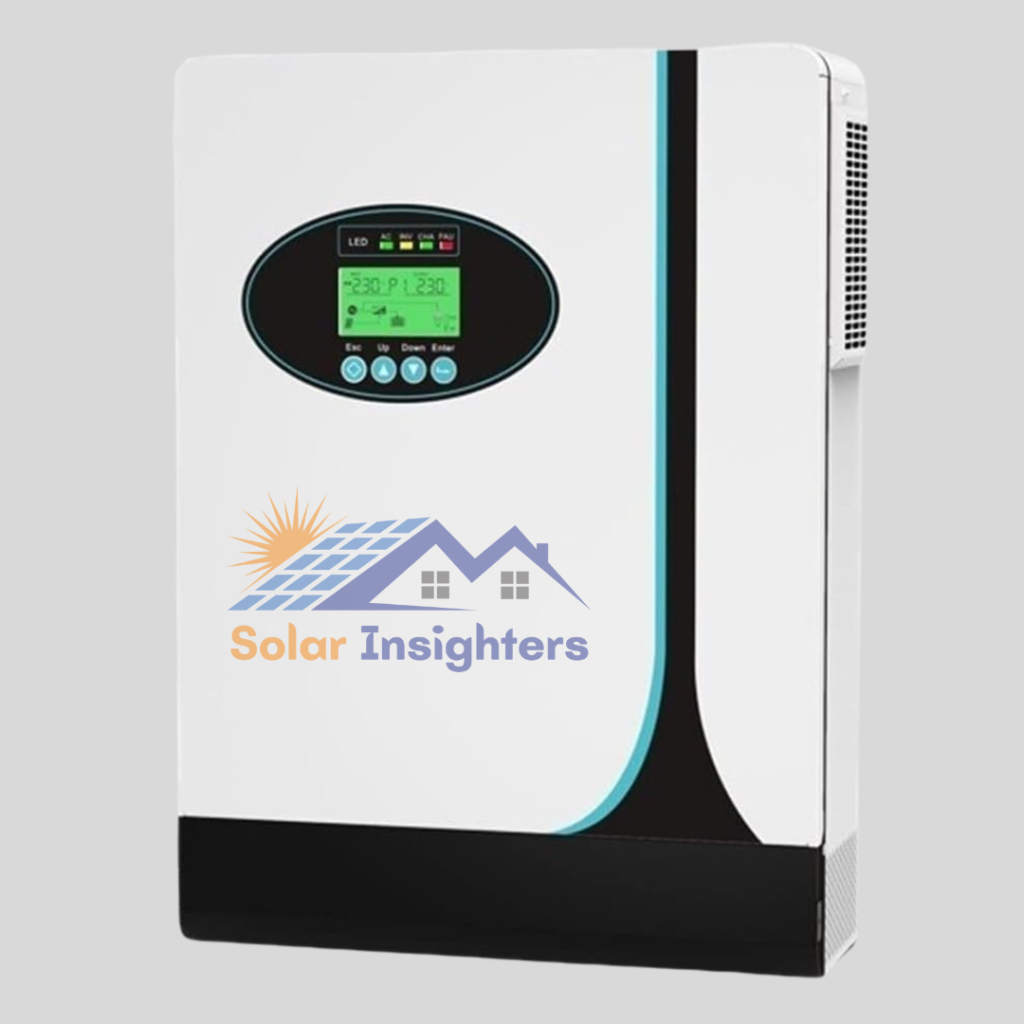
Solar photovoltaic Reverse-Controlled Hybrid Inverter
The Solar Photovoltaic Reverse-Controlled Hybrid Inverter is an advanced energy-management device designed to combine solar power, battery storage, and grid electricity in one efficient system. Unlike basic inverters, this hybrid model intelligently switches between power sources — solar first, battery next, and grid last — based on available energy and load demand. The reverse-controlled feature manages the direction of power flow, enabling smart battery charging, grid export/import control, and reliable backup during outages.
This review explains the core features, benefits, installation considerations, performance indicators, pros and cons, and real-world use cases for anyone considering a hybrid solar inverter in 2026.
What Is a Hybrid Inverter?
A hybrid inverter integrates multiple power sources:
Solar photovoltaic (PV) panels
Battery energy storage
Utility grid connection
It intelligently prioritizes power flow:
Solar generation first
Battery discharge when solar is insufficient
Grid supply when needed
Battery charging from solar or grid as configured
The reverse-controlled capability means the inverter can manage bidirectional energy flow — charging batteries from the grid when solar is low and exporting surplus solar back to the grid when applicable.
Key Specifications
| Feature | Details |
|---|---|
| Product | Solar Photovoltaic Reverse-Controlled Hybrid Inverter |
| Inverter Type | Hybrid (solar + battery + grid) |
| Power Output | Varies by model (e.g., 3kW–10kW residential) |
| MPPT | Multiple MPPT channels for solar optimization |
| Battery Compatibility | Lead-acid, Li-ion, LiFePO4 (model dependent) |
| Display | LCD/LED status display or touchscreen |
| Connectivity | Wi-Fi/RS485/Bluetooth for monitoring |
| Safety | Over/under voltage, short-circuit, anti-islanding |
| Cooling | Fan or passive cooling design |
| Monitoring | Local & remote monitoring options |
Exact specs vary by model and manufacturer.
How It Works — Reverse Control Logic
A reverse-controlled hybrid inverter uses intelligent power routing:
Solar power is used first to meet load demands.
If solar is insufficient, the system discharges battery power.
If both solar and battery are low, the inverter uses grid power.
When solar production is high, excess energy can charge batteries or export to the grid.
This reverse flow capability enhances flexibility, energy autonomy, and cost optimization.
Design & Build Quality
Hybrid inverters for solar systems are typically housed in rugged, well-ventilated enclosures suitable for indoor or shaded outdoor installation. Their build ensures long-term reliability with features such as:
Heat sinks and forced-air cooling
Protective casings against dust and environmental factors
Clear LCD or touchscreen interface for local monitoring
Multiple connection points for solar arrays, battery banks, and grid supply
A well-engineered hybrid inverter balances robust construction with efficient thermal management for year-round performance.
Battery Integration & Energy Storage Management
One of the biggest advantages of a hybrid inverter is energy storage management:
Batteries store excess solar during the day.
Stored energy powers loads at night or in low sunlight.
Reverse control enables grid charging if needed.
Smart algorithms delay grid draw to maximize solar/battery use.
Supported battery types often include:
Lead-acid
Gel
Lithium-ion
LiFePO4
Configurable battery profiles help the inverter manage charging and discharging safely and efficiently.
MPPT Efficiency & Solar Optimization
Most hybrid inverters include MPPT (Maximum Power Point Tracking) technology, which maximizes solar power harvest even in variable sunlight. Benefits of MPPT include:
Higher solar energy capture
Better performance in partial shade
Faster battery charging from PV
Increased overall system efficiency
Multiple MPPT channels let you connect solar arrays with different orientations or tilt angles for optimized performance.
Grid Interaction & Net Metering Support
Hybrid inverters with reverse control work well in grid-tie systems, especially where net metering is available:
Export surplus solar to the utility for credit
Import grid power when solar + battery are insufficient
Smart scheduling to charge battery during cheap tariffs
Islanding protection to ensure grid safety
This flexibility allows users to extract maximum value from their solar investment.
Installation & Configuration
Installation of a hybrid inverter should be handled by qualified solar technicians or licensed electricians and typically involves:
Mounting the inverter in a ventilated location
Connecting solar PV strings to MPPT inputs
Connecting battery bank with correct polarity and protection
Wiring grid input via distribution panel
Configuring system parameters — battery type, grid code, thresholds
Testing and commissioning
Proper setup ensures safety, compliance with local grid codes, and optimal performance.
Monitoring & Smart Features
Modern hybrid inverters offer built-in connectivity for monitoring via mobile apps or web dashboards. Common features:
Real-time energy production & consumption data
Battery state of charge monitoring
Historical generation and performance logs
Alerts for faults or unusual events
Remote firmware updates and diagnostics
These features give users visibility and control over their solar system performance.
Pros & Cons
| Pros | Cons |
|---|---|
| Combines solar, battery, and grid power | Higher upfront cost than basic inverters |
| Smart reverse control for optimized power flow | Installation requires professional expertise |
| MPPT maximizes solar yield | Configuration can be complex |
| Battery charging/discharging flexibility | Monitoring may need added accessories |
| Grid export with net-metering | Not suited for purely off-grid systems |
| Remote monitoring & control | Cooling and placement considerations |
Best Use Cases
Residential Solar Systems:
Ideal for homes with daytime solar use and night-time battery needs.
Commercial & Small Business:
Provides backup power and optimized energy costs for small enterprises.
Net-Metering Friendly Areas:
Users can export surplus power and reduce electricity bills.
Backup Power Solutions:
Battery + inverter combination supports loads during outages.
Time-of-Use Tariffs:
Charge batteries during cheap grid hours and discharge during peak.